SACRAMENTS
Is anyone among you sick? Let him call for the elders of the Church, and let them pray over him, anointing him with oil in the name of the Lord.
James 5:14
Holy Unction: Healing of Soul and Body
What is Holy Unction?
Holy Unction is the Mystery in which the Church prays for the healing of those who are sick. The priest anoints the body of the sick person with oil that has been blessed for this purpose, asking God to grant healing of soul and body and the forgiveness of sins.
The Mystery has its roots in the New Testament. The Epistle of James gives the practice directly: "Is anyone among you sick? Let them call for the elders of the church, and let them pray over them, anointing them with oil in the name of the Lord. And the prayer offered in faith will heal the sick; the Lord will raise them up. And if they have sinned, they will be forgiven" (James 5:14-15). The Church has done exactly this from the apostolic age forward.
The oil used in Unction is olive oil, blessed by the priest at the beginning of the service through specific prayers. There is no special chrism reserved for the rite. What makes the oil holy is the Church's prayer over it.
Why Do We Anoint the Sick?
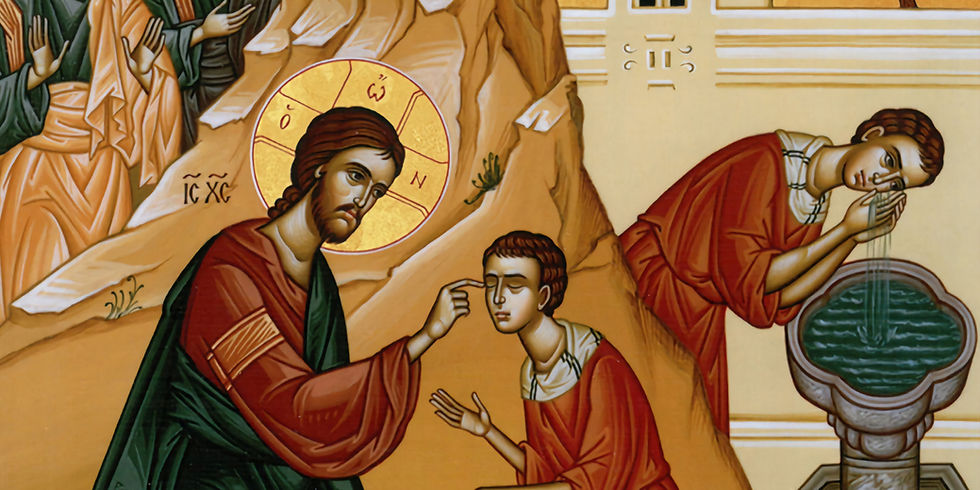
Christ's earthly ministry was filled with healings. The Gospels record more accounts of Christ healing the sick than of any other category of His miracles. He healed by touch, by word, by the hem of His garment. He sent His apostles out with the same charge: "As you go, proclaim this message: 'The kingdom of heaven has come near.' Heal the sick" (Matthew 10:7-8). The Mystery of Unction continues that apostolic ministry in the life of the Church today.
The Orthodox understanding of healing is broader than the medical. Sin, sickness, and death are linked in the Church's theology, not as cause-and-effect (we do not believe that the sick are being punished for their sins) but as fellow consequences of the brokenness that entered the world with the Fall.
Unction addresses the whole person. The prayer of the rite asks for physical healing where God wills it, but also for the forgiveness of sins, the strengthening of the soul, and the sanctification of any suffering that remains.
This is why Unction is not the "last rites," as it is sometimes called in popular speech. The Orthodox Church does not understand it as a sacrament for the dying. It is for anyone who is sick — in body, mind, or spirit — at any stage of illness or struggle. A person recovering from surgery, a person facing a difficult diagnosis, a person carrying chronic pain, a person fighting addiction or depression: all may rightly come for Unction.
The Mystery does not guarantee physical healing. Sometimes God heals; sometimes He allows the illness to continue for reasons beyond our understanding; sometimes He brings a person through death into the fullness of His Kingdom. What Unction guarantees is His presence in the sickness, the joining of the person's suffering to Christ's own, and the Church's prayer that nothing, not pain, nor fear, nor death itself, should have the final word.
How is Holy Unction Celebrated at Holy Apostles?
At Holy Apostles, Unction is celebrated in two forms.
The Service of Holy Unction is celebrated each year on Holy Wednesday evening of Holy Week, in preparation for Pascha. The entire parish is invited. The full traditional rite calls for seven priests, seven Epistle readings, seven Gospel readings, and seven prayers, though in most parishes, including Holy Apostles, the service is celebrated by fewer clergy depending on local circumstances. After the readings and prayers, the faithful come forward to be anointed on the forehead, cheeks, and hands. All who wish may receive the anointing.
Private Unction is celebrated for those who are sick, at any time of year. The service may take place in the church, in a home, in a hospital room, or wherever the sick person is. The form is simpler than the corporate service but the Mystery is the same. The Mystery of Unction is also offered to those preparing for surgery, to those entering hospice care, and to those carrying long-term illness or grief. There is no minimum threshold of suffering. If something is heavy enough to bring to God, it is heavy enough to bring to Unction.
If you or someone you love is ill, contact Fr. Tom and he will arrange Holy Unction.
Learn More
For further reading we recommend:
Fr. Thomas Hopko's The Orthodox Faith, Volume 2: Worship